2026: The Deadline for Tesla's Cybercab Customer Deliveries
Tesla executives confirmed that initial private sales of the two-seater robotaxi are targeted for completion before the end of this year, despite most units currently being reserved for the company's own fleet.
By Rebecca Dawson ·
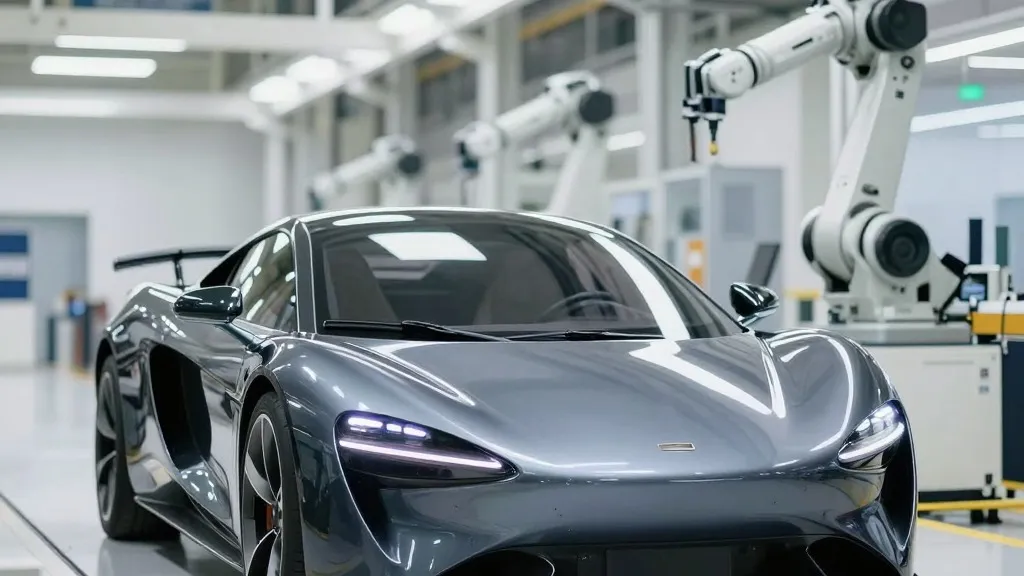
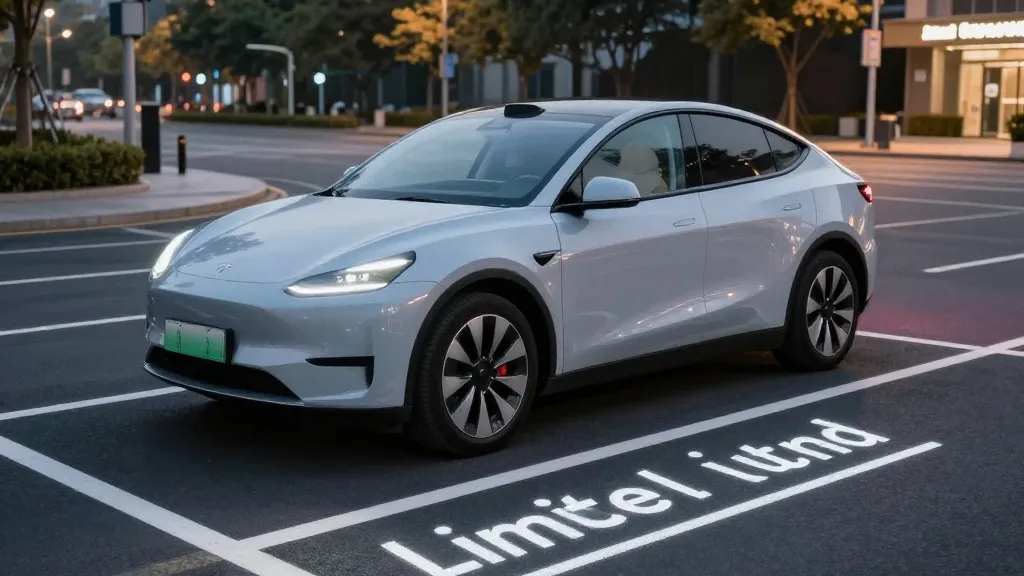
For months, the automotive industry has debated whether Tesla's driverless two-seater would ever reach private hands or remain exclusively within the company's fleet. On October 21, during the third-quarter 2026 earnings call, Tesla provided a definitive timeline, ending the speculation with a target date of the end of the year.
Vice President of Engineering Lars Moravy stated that the company is aiming to get Cybercabs to customers by the close of 2026. While production is already active on the assembly line at Gigafactory Texas, Moravy clarified that every unit currently being manufactured is being allocated to Tesla's internal Robotaxi fleet. He noted that as operations scale, the focus will shift to delivering fully designed autonomous vehicles directly to the public, with the Cybercab serving as the inaugural model. Initial deliveries are expected to be modest in volume, a deliberate strategy to allow the company to refine logistics, ownership models, and fleet management while operating vehicles outside of its direct control.
CEO Elon Musk reinforced the idea that private ownership will be the minority use case for this vehicle. He described the Cybercab primarily as a "transport-as-a-service" offering rather than a traditional personal vehicle like the Model 3, Model Y, or the upcoming Roadster. According to Musk, the vast majority of Cybercab units will remain Tesla-owned, suggesting that for most potential buyers, the vehicle represents a service subscription rather than a tangible asset in a driveway.
The Cybercab itself is a distinct departure from Tesla’s other models, featuring no steering wheel or pedals and relying entirely on the company's Full Self-Driving suite. Production began in February of this year, and early units have been integrated into the Robotaxi service since the public launch in early September. Tesla has previously indicated a target price of approximately $30,000 for these vehicles.
However, the path to widespread private adoption faces several hurdles. Ashok Elluswamy, Tesla’s Head of AI, indicated that unsupervised Full Self-Driving is not expected to ship to consumer cars until the second quarter of 2027. This timeline suggests that early Cybercab buyers may face geographically restricted autonomous operation, a limitation driven by lagging regulatory agencies. As the year draws to a close, the stakes are clear: Tesla must prove it can manage the complexities of private fleet ownership without the safety net of direct operational control.
The shift from a purely internal fleet to a mixed model of private and service vehicles represents a significant operational test. With the deadline set for December 31, the company must balance the promise of affordable autonomous transport with the reality of regulatory constraints and logistical challenges. Whether the initial trickle of deliveries meets expectations will likely determine the pace of future expansion.
Source: Teslarati